Waste wise: avoid, reduce, bin right
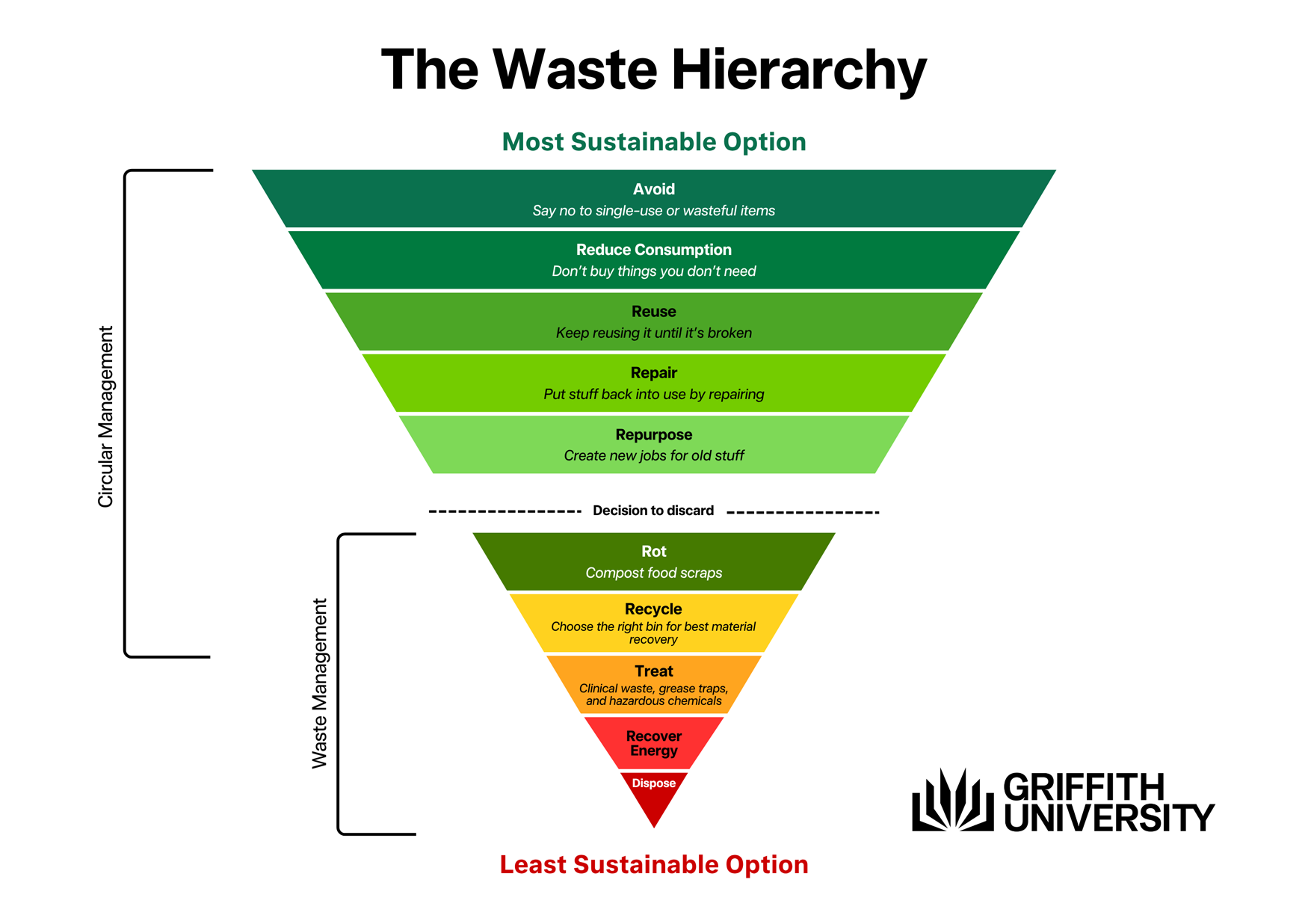
Griffith University is committed to reducing waste and maximising resource recovery through a campus-wide approach that engages our entire community. Our waste management practices are guided by the waste hierarchy, which prioritises avoiding and reducing waste first, then reusing, recycling, and recovering materials before landfill disposal as a last resort.
Sorting tip!
You can use the free Recycle Mate app to check if an item is recyclable in your area — including on each Griffith campus.
Small actions, big impacts: Stop bin contamination
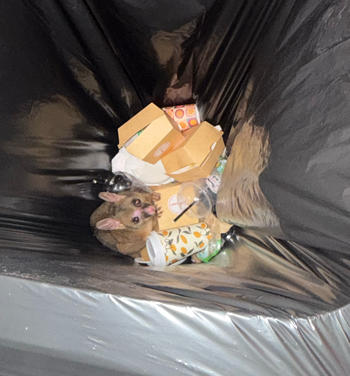
At Griffith, cleaners do not separate or sort waste — so if a recycling (yellow) bin contains non-recyclable items, the entire bin is treated as contaminated and sent to landfill. That’s why it’s so important to get it right.
This guide is designed to help students and staff not only sort their waste correctly but also avoid creating it in the first place. By making conscious choices—buying less, reusing more, and using the right bin—you’re helping to reduce environmental impact and support a more circular economy at Griffith.
If you're unsure whether something is recyclable, it's better to put it in the red (general waste) bin to avoid contaminating the whole load.
By taking a moment to check and sort properly, your small actions can have a big impact on reducing waste and supporting a circular economy.
What is waste stream contamination?
Reusables and Keep Cups
Skip the disposables! Bring your KeepCup or mug to save 50-cents, or dine in and enjoy real plates. Great food, good vibes, and a greener campus—one cup at a time.
Some reusables you can consider:
- Coffee mugs
- Cups
- Plates and bowls
- Metal straws
- To-go containers
- Reusable forks, spoons, knives
Waste guides
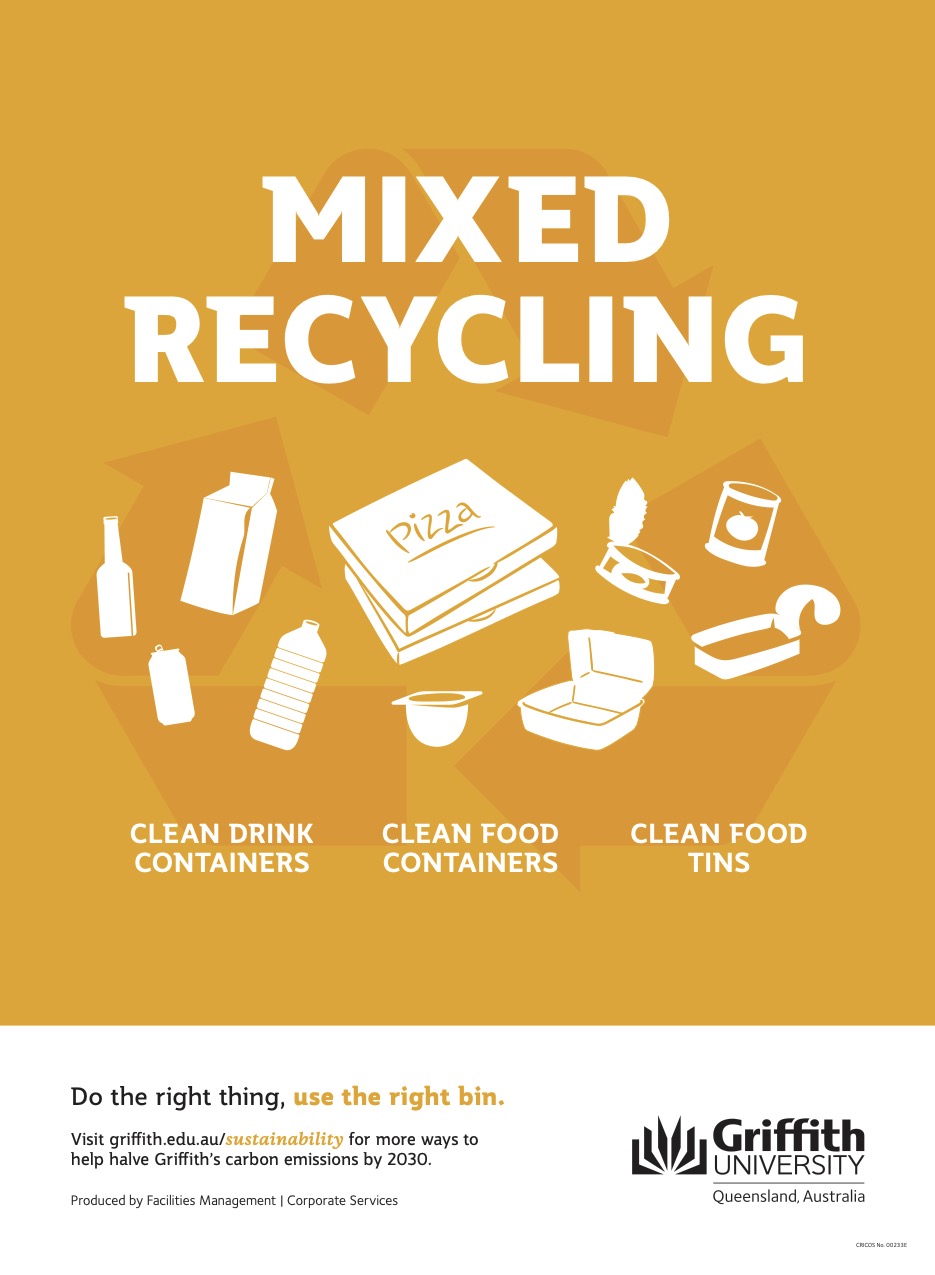
Recycling goes into bins with yellow signage and colour schemes.
Yes items:
- Clean food containers such as metal tins or hard plastic takeaway containers
- Unbroken glass jars (rinsed and with lids removed)
- Aluminium foil (scrunched into a ball)
- Newspapers, magazines, office paper, junk mail, and cardboard (place in paper or cardboard bins where available)
No items:
- Coffee cups
- UHT and alternative milk cartons
- Paper towels, tissues and napkins
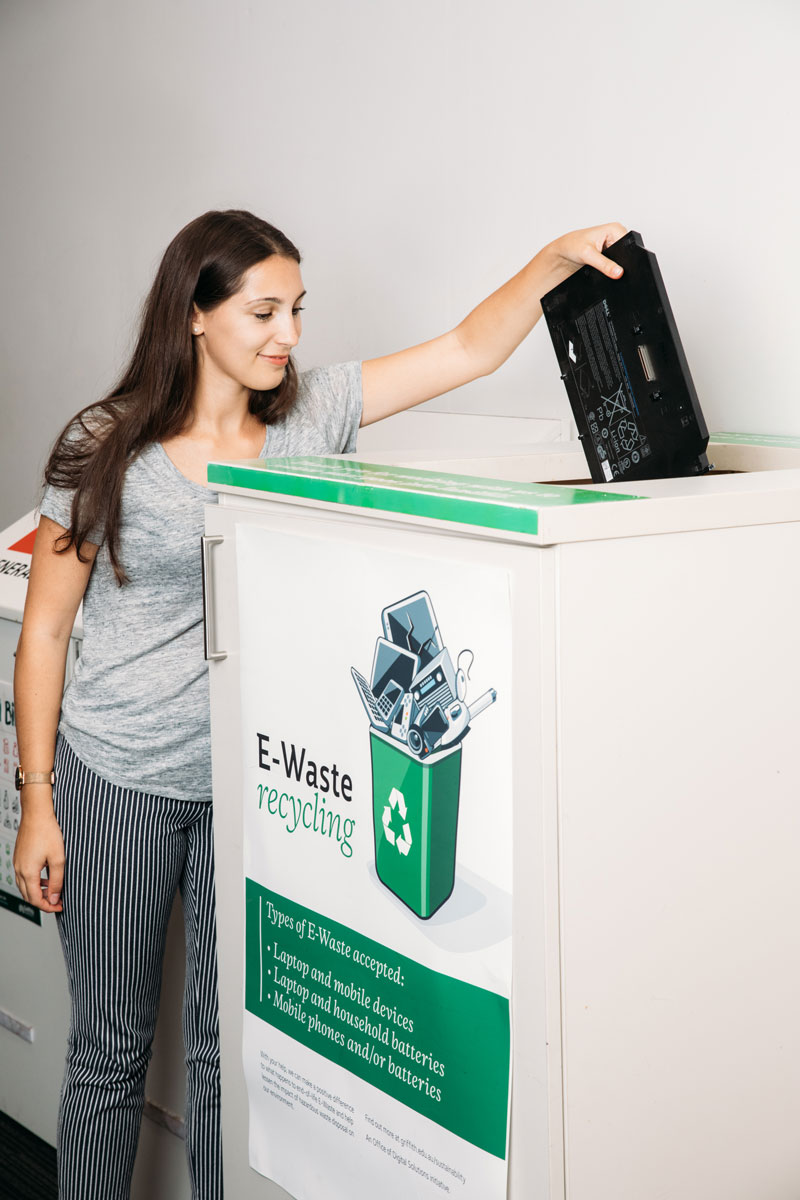
- eWaste
- Soft plastics (Plastic bags and film)
- General waste, including food items
- Food waste
- Clothing and textiles
- Hazardous waste – including vapes
- Ceramics and porcelain
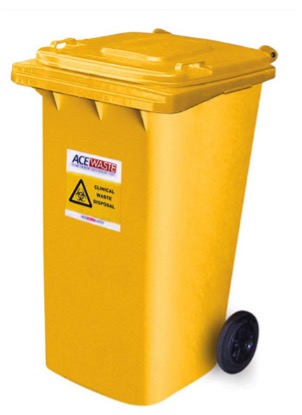
- Medical waste
- Nappies and sanitary products
- Garden waste
You can also use the free Recycle Mate app to check if an item is recyclable in your area — including on each Griffith campus.
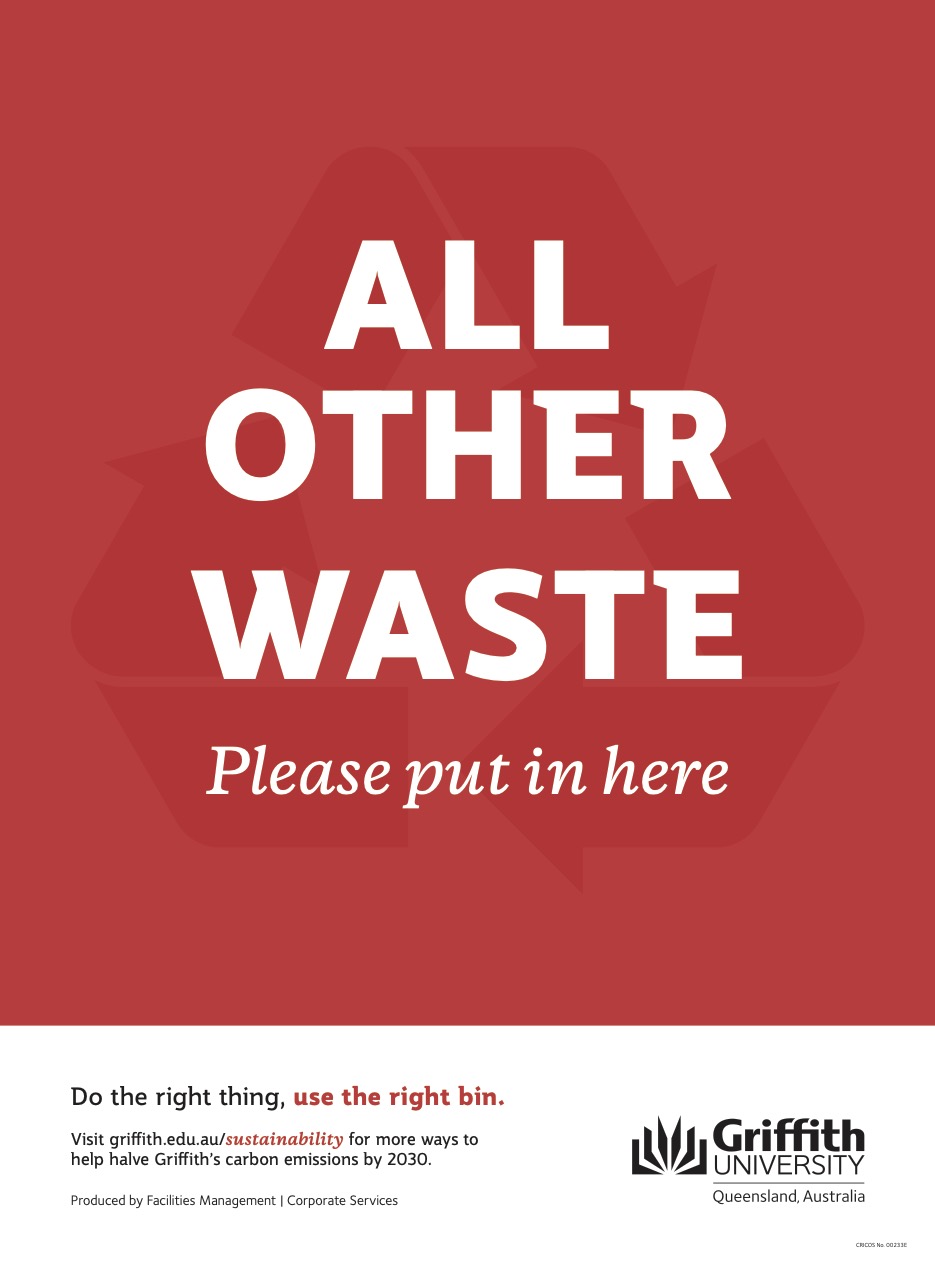
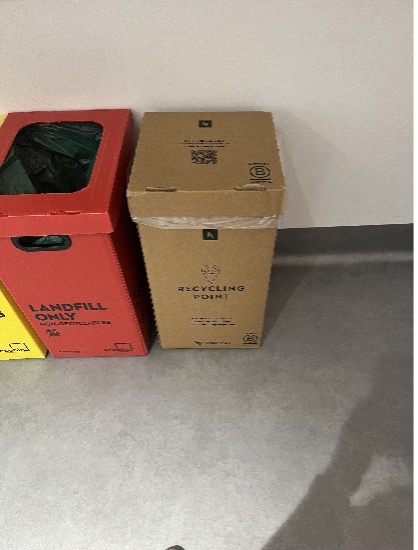
General waste goes into bins with red signage.
Yes items:
- Coffee cups, food-contaminated packaging
- Food scraps
- Paper towels, tissues and napkins
- Plastic film, soft plastic packaging, plastic bags
- Waxed cardboard/waxed paper
- Small amounts of broken glass and pottery that cannot be recycled
No items:
- Recyclable materials
- Vapes and eWaste
- Construction waste
The general waste stream is collected by our waste contractor, compacted, and then transferred to engineered landfill sites. These sites capture methane produced during the decomposition of waste and use it to generate power.
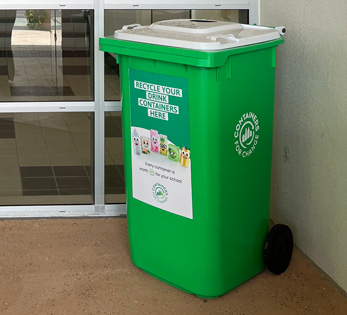
Every eligible drink container placed in a green Containers for Change bin on campus helps the environment and supports Griffith’s Brighter Future Scholarship Program. All 10-cent refunds go directly to students experiencing financial hardship—so drop your containers in the right bin and make a difference!
These bins can be found around major food court areas, as well as libraries and offices spaces.
Want a Mini Containers for Change Bin for your work/study area? Small corflute bins are now available to help you recycle right where you are! Simply lodge a request on service@griffith with a waste request to apply for your corflute bin.
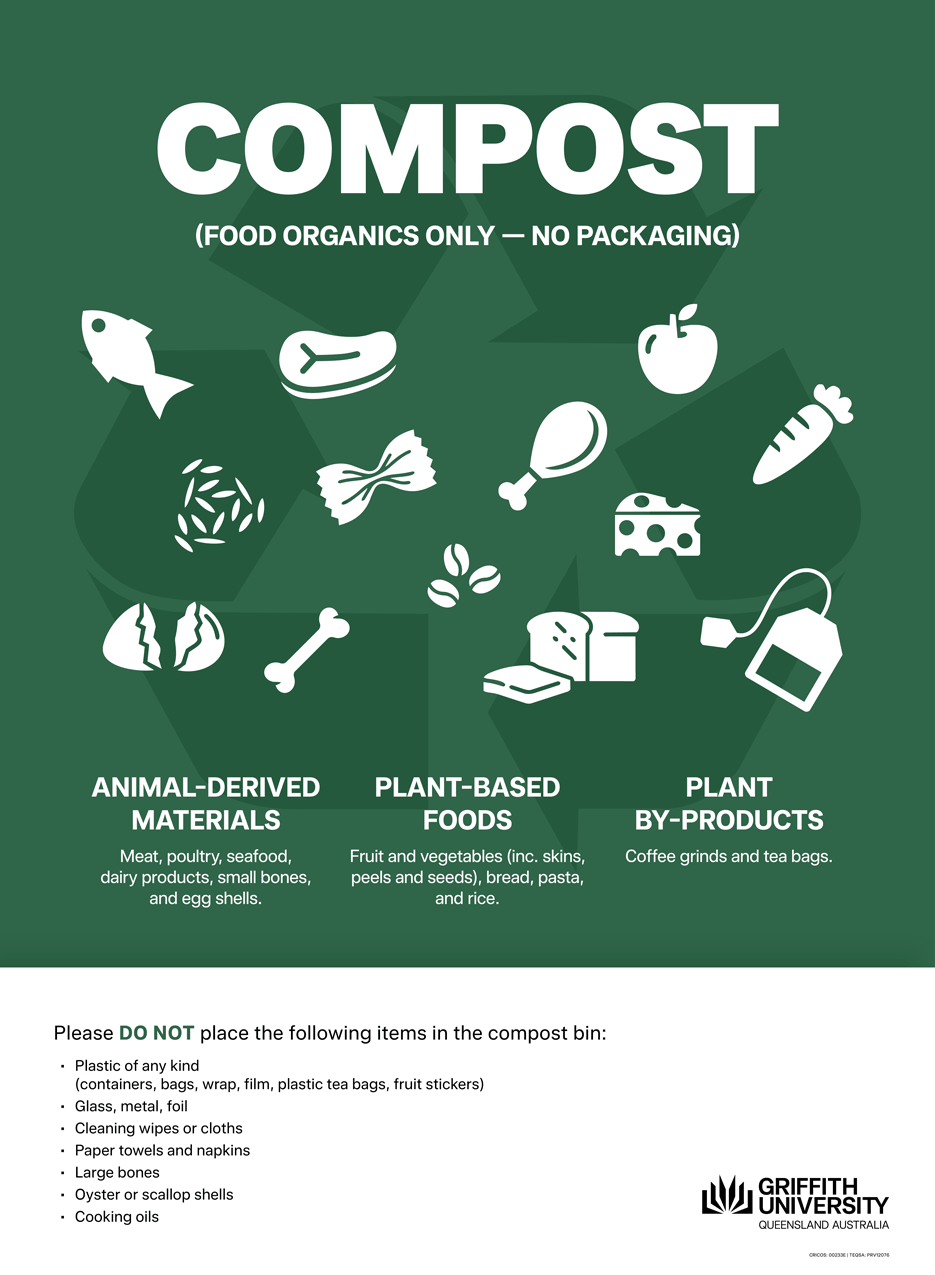
All food outlets on campus participate in on-site composting.
- Staff and researchers can contribute by using tea-room collection bins for organic waste.
- Griffith composts this waste on-site, with the resulting compost used to enrich campus gardens.
Want a compost bin for your staff kitchen?
Simply lodge a request on service@griffith with a waste request to apply for your mini compost bin.
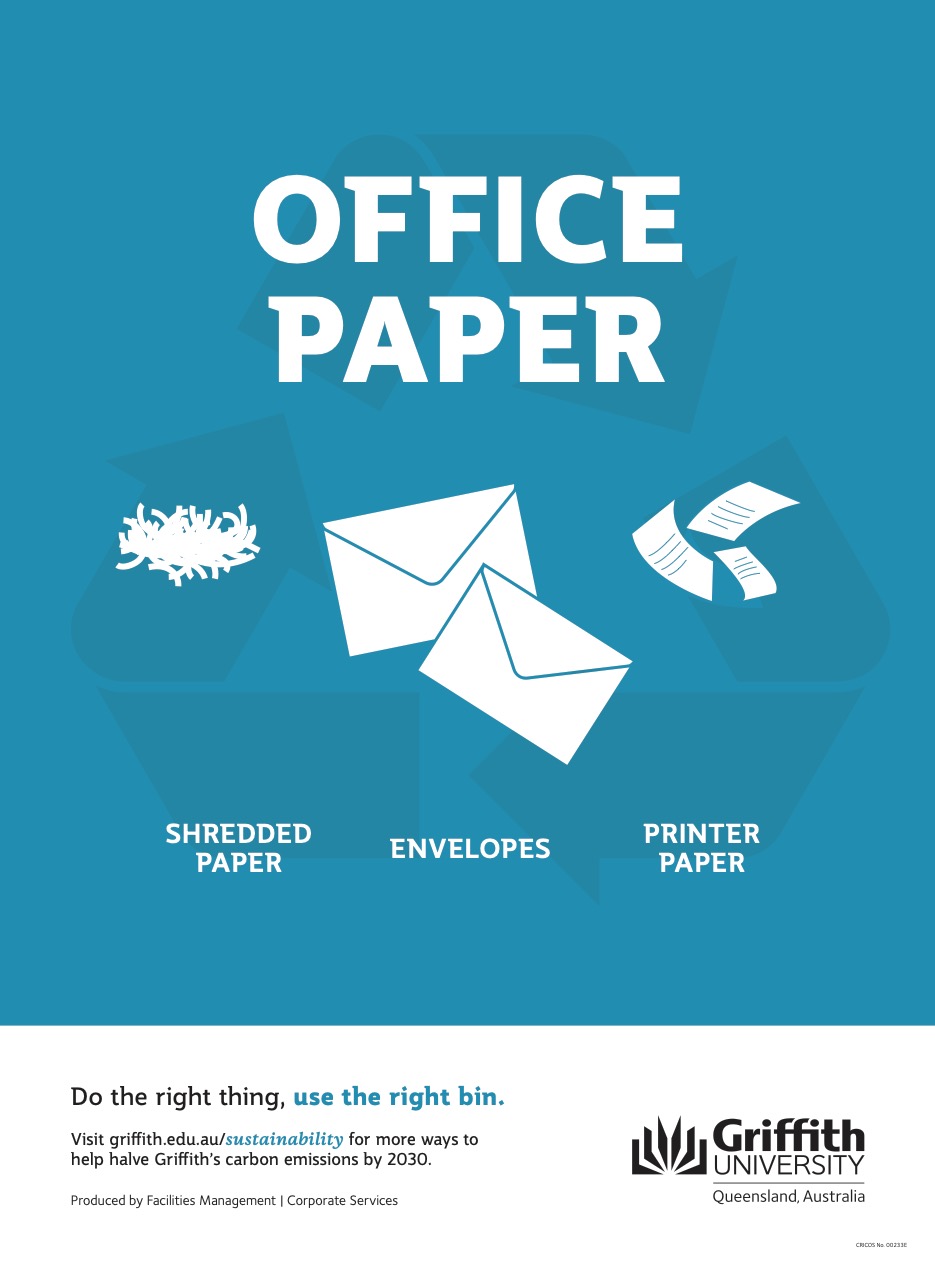
Paper waste goes into bins with blue signage.
Yes items:
- Printer paper (no need to remove staples)
- Shredded paper
- Brochures and folder dividers
- Envelopes (including with plastic windows)
- Magazines, books and newspapers
All paper collected on campus is collected by our waste contracted and recycled into paper and cardboard products.
If a blue paper bin is not available, use the yellow recycling bins.
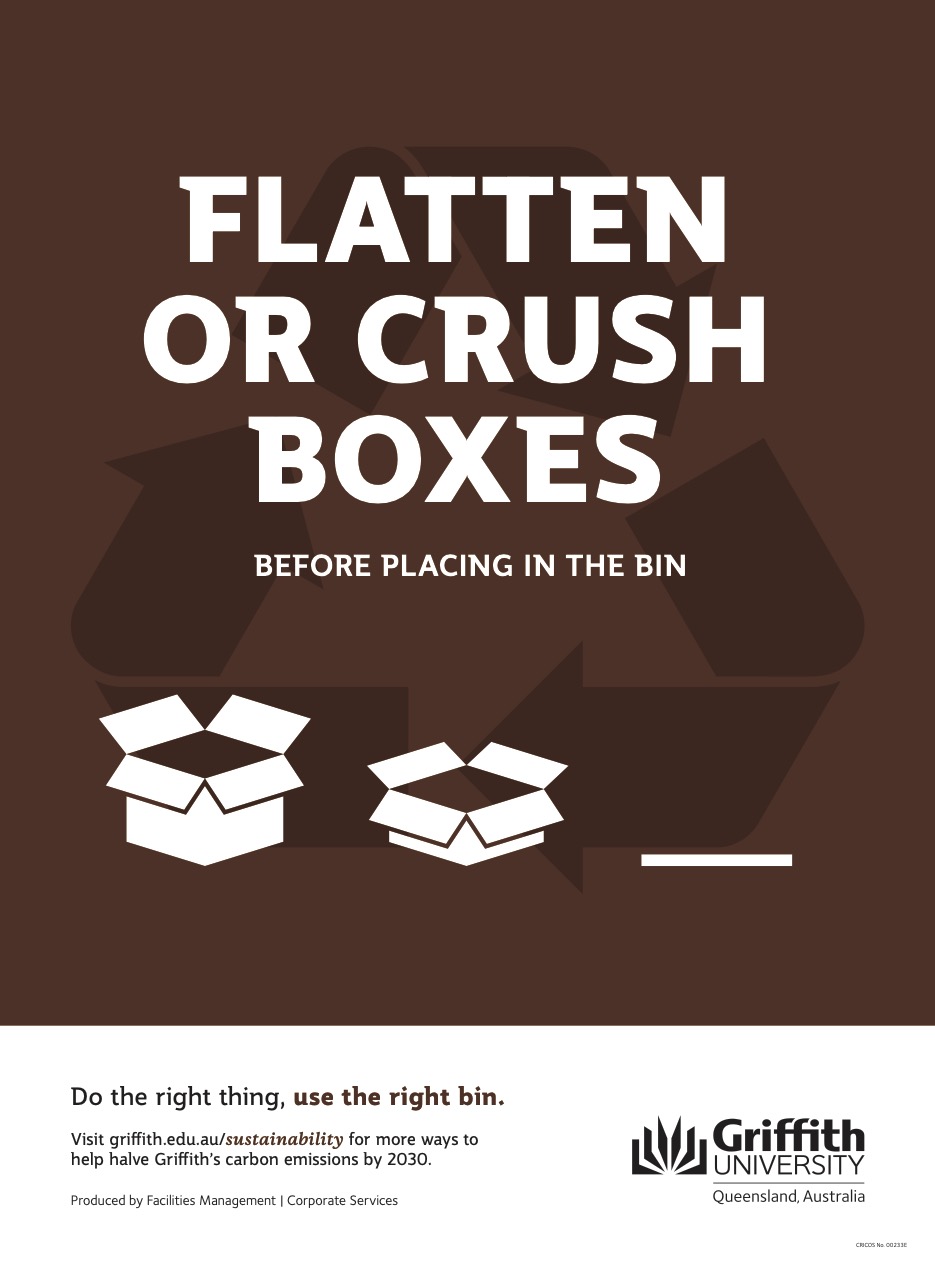
Small amounts of cardboard can be flattened and placed beside indoor/office bins. Larger boxes or more than one box must be collected via a service request.
Make sure the cardboard is clean and dry before recycling.

Clothing Library
The Clothing Library is a student-led initiative that reduces clothing waste while supporting student wellbeing and opportunity. Students can browse and keep donated clothing—including business wear, casual items, and other everyday essentials—for free. All items are generously donated by Griffith staff, alumni, and community organisations.
The Clothing Library aims to:
- Improve student equity by providing quality clothing at no cost
- Reduce textile waste and promote sustainable consumption
- Raise awareness about ethical fashion and the impact of fast fashion on people and the planet
The Clothing Library moved to the Logan campus and is now in the large red shipping container outside the L04 student lounge. Depending on staff availability, we will be open on market days at Logan and every other Tuesday.
A donation bin is available in the L03 foyer.
Repair Café
The Griffith Repair Café is a student-led initiative launched by Professor Leanne Wiseman (Law Futures Centre), a national advocate for the Right to Repair movement. Held across Griffith’s Logan, Nathan, and South Bank campuses, as well as the Logan Eco Action Festival (LEAF), the café brings people together to fix broken items and reduce waste.
Run by volunteer students, staff, and community members, the Repair Café helps divert items from landfill, revive repair skills, and support a circular economy. In 2024, over 80 volunteers repaired everything from clothes and jewellery to furniture and electronics—saving 220kg of waste at the Nathan event alone.
Everyone is welcome. Bring a broken item or just drop by to learn more. You’ll be paired with a skilled volunteer who’ll help you fix your item and keep it out of landfill.
Common Repairs:
- Clothing and textiles
- Jewellery
- Shoes
- Wooden items
- Small electronics
Have something specific in mind? Contact us in advance, and we’ll aim to match you with the right repairer.
Logan Share and Care Station
Logan Share and Care Station is located in the L03 foyer near the Library and accepts donations for the following:
- Old Glasses
- Old nursing scrubs
- Student Pantry
- Clothing Library
- Community Library
- Containers for Change
Do you have a waste initiative in your area, office or centre?
We’d love to share it here! Please contact us