Understanding energy transition dynamics.
This course explores energy demand, supply, markets, and policies, covering topics like oil, natural gas, electricity, and nuclear power, alongside energy tax, regulation, efficiency, and more.
Dates & Time
- 21-23 April 2027
- 2:00 pm – 5:00 pm (including an afternoon tea break and a networking session over drinks)
- limited to 20 participants to encourage open discussion and meaningful engagement with presenters
Course cost
- $2,290 per person (catering included)
- 10% discount for bulk bookings: the 3rd, and every subsequent person, from the same organisation, receives a 10% discount.
Delivery
- in-person
- at Griffith University, 226 Grey St, South Brisbane, QLD, 4101
Course outline
Earn your Digital Badge.
Upon completion of this course you will receive the digital badge as a digital representation of your accomplishment and skills. This badge is issued by Griffith University and can be displayed on social media profiles, resumes, or professional networking sites like LinkedIn. It serves as a portable and verifiable way to showcase your expertise and accomplishments in Energy Economics. Find out about the earning criteria here.
Course facilitators

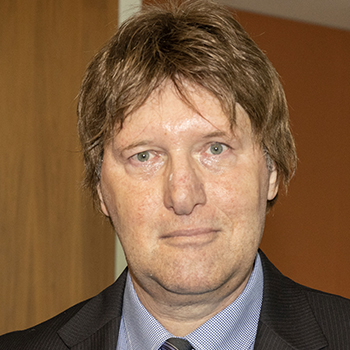
Professor Magnus Söderberg
Director of the Centre for Applied Energy Economics and Policy Research.

Associate Professor Richard Meade
Principal Economist at Cognitus Economic Insight and President of the Law & Economics Association of New Zealand.