Leadership: Space before response, Attention before action, and the willingness to let go
I didn’t take many notes at the Impact Leadership Retreat.
Instead, I kept returning to a poem.
The Bell and the Blackbird by David Whyte stayed with me across the three days. I read it in the early morning and again at night. Not to interpret it, but to let it sit alongside what I was experiencing.
The poem is about attention. Of the moment a clear birdcall disrupts the inertia. Of the choice we are offered to awaken into another kind of knowing.
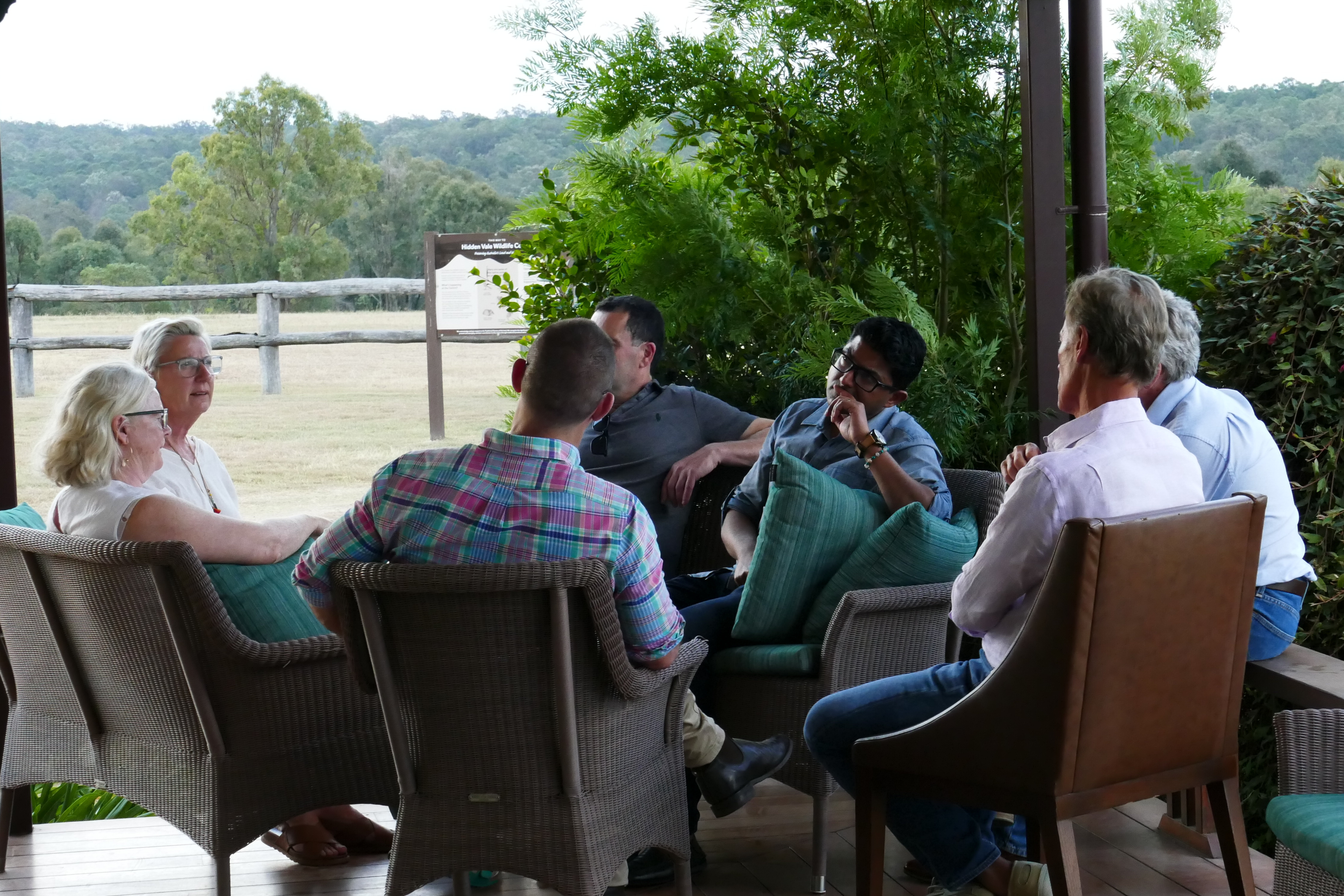
Held at Spicers Hidden Vale and hosted by Griffith Business School in partnership with the Blackmore Family Foundation, the Retreat wasn’t about intensity or performance. It was about slowing down enough to notice what we usually move past.
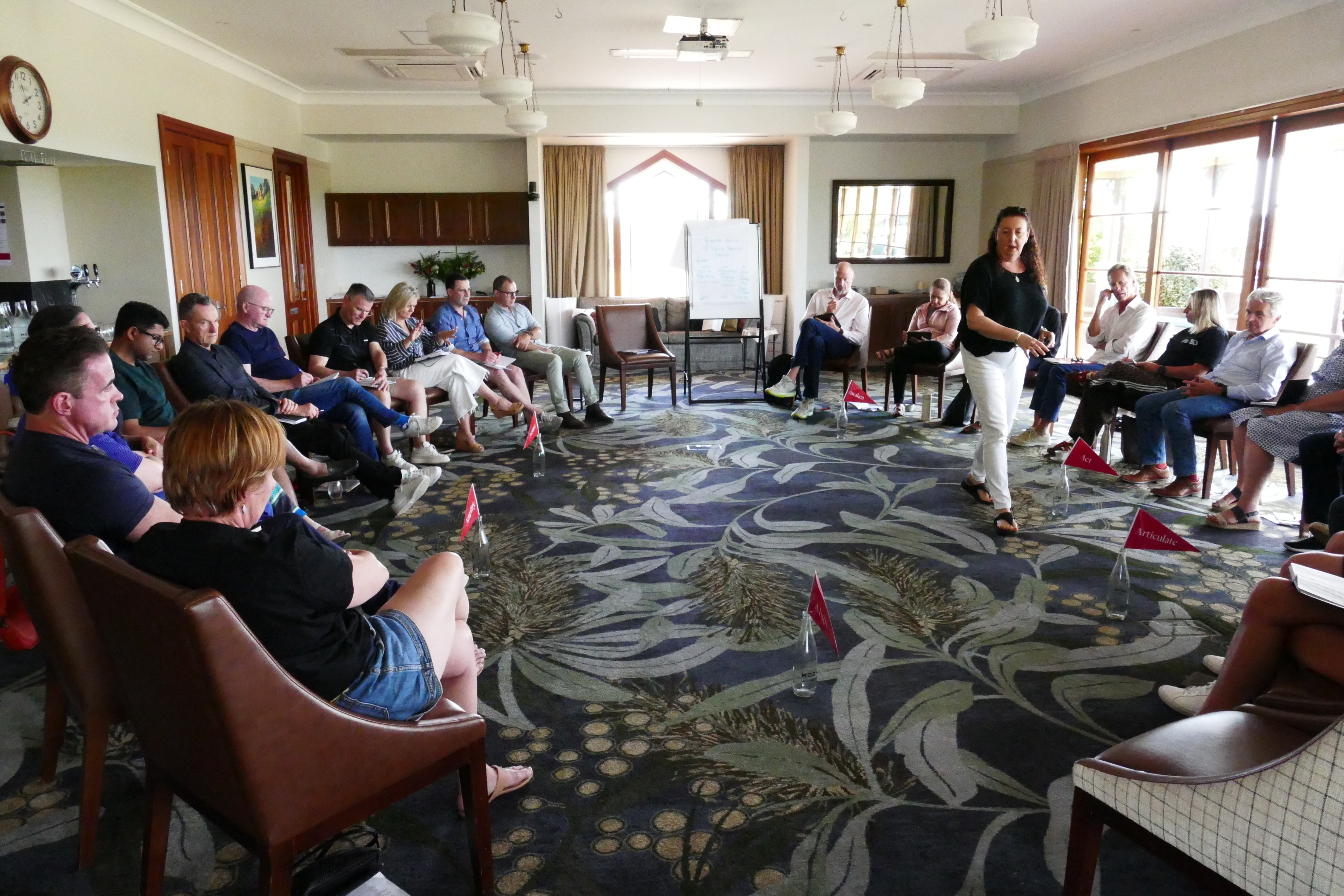
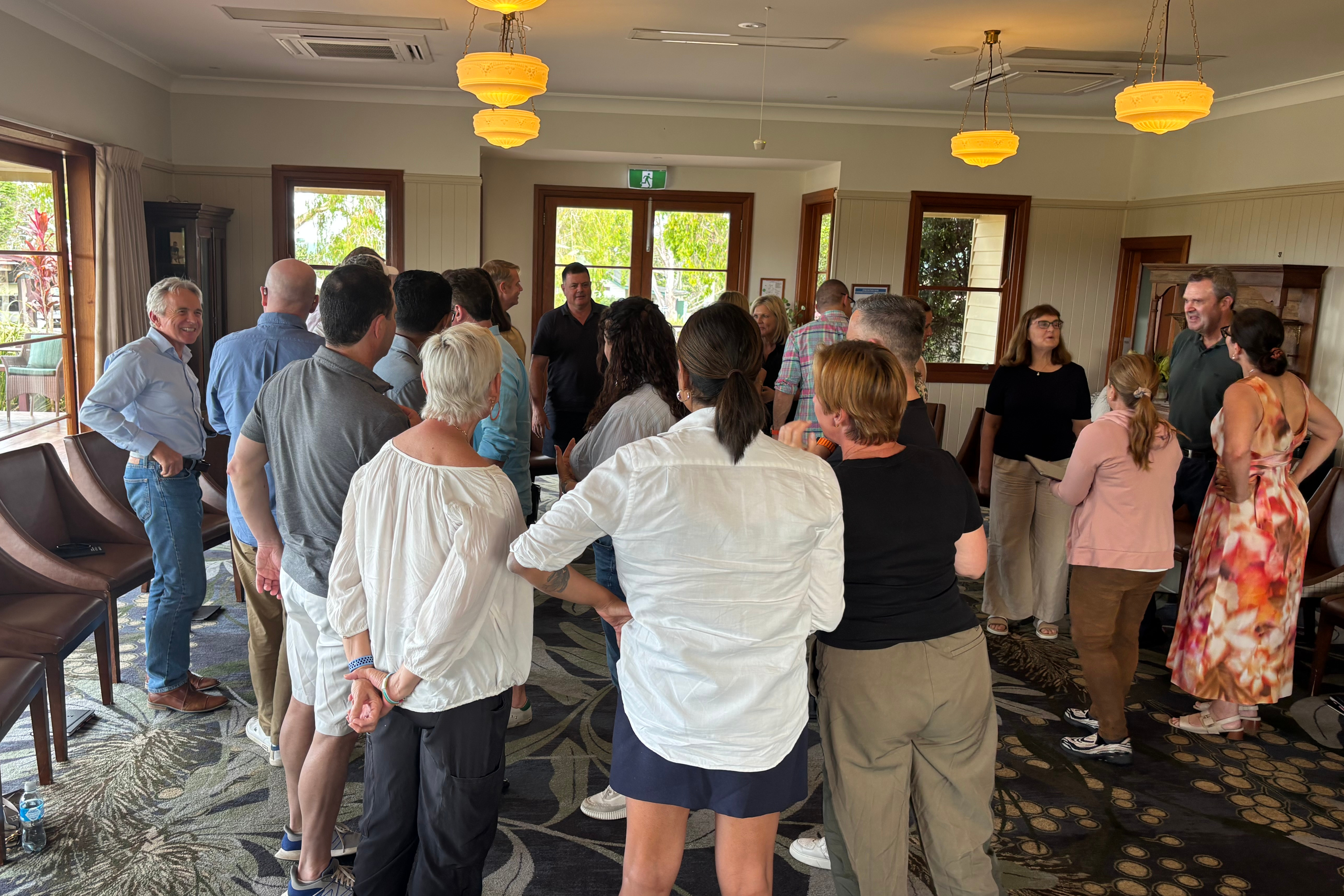
Over the days, guided by Chair of Business Leadership Professor Andrew White and co-facilator Jennie McLaughlin and guest speaker Jerry Connor, the work unfolded quietly. There were conversations, walks, time in silence. Questions that stayed open. No pressure to resolve anything.
I noticed how much of my leadership is shaped by momentum. By responding. By moving quickly from one thing to the next. Here, the pace changed.
Andrew spoke about thresholds, those moments when the ways we’ve been leading no longer quite fit. Not because something is wrong, but because something is changing. What stayed with me was the idea that these moments don’t call for better tools, but a different quality of attention.
Jennie spoke about purpose and a frame work and guide on how to explore and find one; not as a statement but as an ongoing journey. The lack of comfort and clarity around this topic is one that I have grappled with, but at the end of the session, I felt I had the starting point on how to start articulating one.
Jerry widened the frame, reminding us that none of us lead in isolation. Our choices sit inside systems that carry consequences far beyond us and ways how leaders can influence wide systemic changes. We worked through a model on breaking down silos and engaging stakeholders to bring about societal change. What stayed with me most was that change isn’t something that happens to us. It’s something we participate in shaping, often through the smallest, least visible choices.
I didn’t leave with answers.
I left with a clearer sense of what I need to protect:
space before response,
attention before action,
and the willingness to let go of ways of leading that have done their work.
The Impact Leadership Retreat felt less like an event and more like a pause, long enough for something honest to surface.
I’m grateful for that.
Baseel Mohamed
Chief Financial Officer, Tonkin