Earlier insight, better care
Diabetes in pregnancy now affects more than one in six pregnancies. While treatment can manage the condition, predicting who is most at risk remains a significant challenge.
Your support doesn't just fund research - it makes real impact
Dr Olivia Holland
With support from philanthropic partners, research led by Dr Olivia Holland is working to change that.
This work brings together a shared commitment from the Queensland and Northern New South Wales Lions Medical Research Foundation and the Merchant Charitable Foundation to improve how diabetes in pregnancy is identified and managed.
At the centre of the research is a focus on the placenta and its role in pregnancy health. By better understanding how the placenta functions, the research is uncovering new ways to identify early signs of complications and improve how care is delivered.
The goal is simple but significant. Earlier insight into risk could support more tailored care, reduce the need for intervention, and lead to better outcomes for both mother and baby.
This work is already contributing to a growing body of international research, while also connecting closely with clinical partners to ensure that new knowledge can be applied in real-world care.
Progress in this field takes time. It depends on sustained research, collaboration, and investment.
Philanthropic support makes that progress possible. It enables researchers to explore complex questions and develop practical solutions that improve care.
Together, this work is moving closer to earlier detection, more informed care, and healthier outcomes for mothers and babies.
Under the leadership of Professor Sonya Marshall-Gradisnik, researchers at the National Centre for Neuroimmunology and Emerging Diseases (NCNED) are making groundbreaking strides in uncovering the biological mechanisms behind these debilitating conditions—fuelling discovery and paving the way for life-changing treatments.
A major milestone is happening now: the first Australian clinical trial investigating low dose naltrexone (LDN) as a potential therapy is currently being conducted for long COVID. A further clinical trial for ME is set to commence soon for participants in Queensland, New South Wales and Victoria.
Conducted in partnership with esteemed collaborators, including the World Health Organization (WHO) Reference Laboratory and Barwon Health, this trial is a direct result of visionary philanthropy and an unwavering commitment to supporting medical progress.

More than $100 million of philanthropy has already been secured to create a brighter future for all.
Read more impact stories
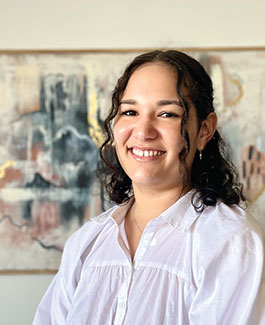
Scholarship supports Indigenous women in law
Alicia George, whose passion for human rights and the rights of minorities, is the first recipient of a new scholarship that will nurture the next generation of female Aboriginal and Torres Strait Islander legal professionals.
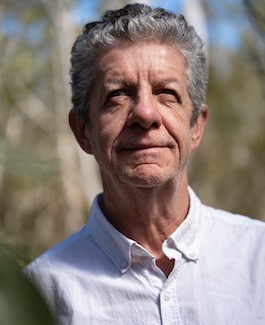
Deeping our understanding of primary forests
Professor Brendan Mackey’s team are reshaping the perception and conservation of primary forests.
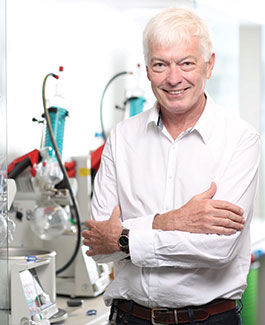
Trialling a groundbreaking Strep A vaccine
A life-saving vaccine is one step closer with scientists at Griffith leading an international partnership to create a Strep A vaccine that effective against the bacteria’s many strains and its resistance to immunity, with human clinical trials underway.